Office space in central Stockholm
From small offices for a few people to large headquarters, the inner city offers the widest choice in Stockholm. We identify offices that suit you in the right district, including advertised premises and upcoming vacancies.
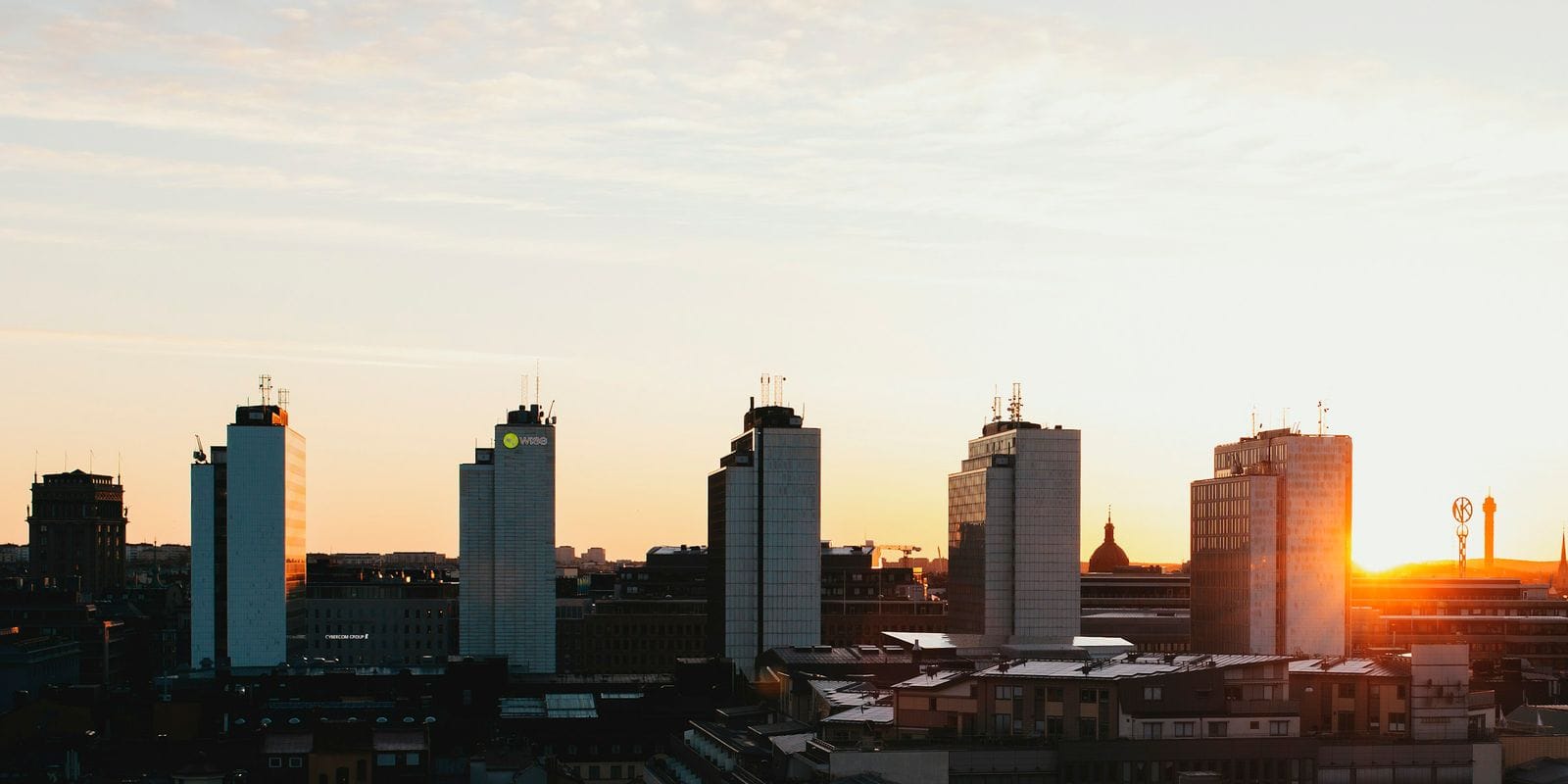
What offices are there in central Stockholm?
The supply is the most varied in Stockholm, from older, prestigious buildings to modern offices and serviced offices. There is also the widest range of sizes here: everything from small offices for a few people to large headquarters. This is how we see the districts:
The city centre (City) and Norrmalm
More prestigious, with higher rents. Many companies in finance, law and consulting, and several larger headquarters.
Östermalm
Many small and medium-sized offices, often in older buildings with more character. Consultants, finance, tech and other service companies.
Vasastan
A little less formal, with a mix of tech, consultants, media and other knowledge-based companies.
Södermalm
Tech, creative companies, media and growing companies. Here the character and feel of the premises often matter more than traditional prestige.
Kungsholmen
A slightly calmer market, and often more office space for your money than in the most central parts.
Where in the inner city are the offices?
Innanför tullarna is not an official name. The City of Stockholm talks about the inner city (inre staden) and divides it into Kungsholmen, Norra innerstaden and Södermalm.
Most people work in Norra innerstaden. In 2024, 259,621 people commuted there from other municipalities and other parts of the city. In City, the large office buildings are in the southern part, while the northern parts are mostly housing.
Which industries are here?
In 2024, business services was the largest sector in all three district areas. The information and communication sector was also prominent. In Norra innerstaden, many people also worked in finance and trade. Public administration and health and social care were major sectors in Kungsholmen. In Södermalm, health and social care and personal and cultural services were major sectors.
How do you get there?
The commuter train runs in a tunnel under central Stockholm and stops at Stockholm City and Odenplan. There you can change to the metro.
If you come by car, you pay congestion tax at certain times, both into and out of the inner city and on Essingeleden.
What is being built in the next few years?
The timetables are as of 27 September 2026 and may change.
New metro lines
The green line is being extended from Odenplan via Hagastaden to Arenastaden in Solna, with services starting in 2028. The blue line is being extended from Kungsträdgården via a new station, Sofia, on Södermalm, with services planned to start in 2030. The yellow line will be a new line between Fridhemsplan and Älvsjö. Construction starts in 2026 and is expected to take about 9 years.
Hagastaden
A new district on top of the motorway and the railway between Stockholm and Solna, with a focus on life science. Hagastaden as a whole is planned to have 50,000 jobs, and 300,000 sq m for offices and retail space are planned in Centrala Hagastaden.
Centralstationen (Central Station)
The city is working on a detailed development plan in which the track area is decked over. This would create new land for offices, retail space and parks. The plan is not finished.
Slussen
The new traffic layout is due to be completed in 2027, with the final work taking place in 2028. After that, new office buildings are to be built on top of Stadsgårdsleden.
How can Locality help?
We put together suggestions for offices in the inner city that suit you, both advertised premises and upcoming vacancies. Read more about how an office search works.
What does the client say?
“We could not be happier with Locality. Their expertise and local knowledge really impressed us. They are not only helpful, they are also incredibly skilled and know every office in town. They helped us with our needs in a way that was both quick and smooth.”
Frequently asked questions
- How big is the difference in rent between different parts of the inner city?
- Quite big. A few blocks can make a clear difference, especially between the most attractive locations in City and the outer edges of the inner city.
- Do we have to be in City to get really good transport links?
- No. In Södermalm, Kungsholmen and Vasastan, for example, there are many locations with very good transport links, where you can get a different type of premises or more space for your money.
- Are there good premises with shorter leases?
- Yes, but then we often also look at premises available on a sublease, lease assignments and serviced offices, not just ordinary leases directly with the landlord.
- Which districts count as the inner city?
- The City of Stockholm divides the inner city into three district areas. Kungsholmen: Kungsholmen, Stadshagen, Kristineberg, Fredhäll, Marieberg, Lilla Essingen and Stora Essingen. Norra innerstaden: Norrmalm, Vasastaden, Östermalm, Gärdet, Hjorthagen, Djurgården, Norra Djurgården and Skeppsholmen. Södermalm: Södermalm, Gamla stan (the Old Town), Hammarby Sjöstad, Långholmen and Reimersholme.
- Why is it called innanför tullarna (inside the tolls)?
- The name comes from the city toll. It was paid by anyone bringing goods into the city to sell them. The toll existed from 1622 to 1810, and names such as Skanstull, Norrtull and Roslagstull live on.